What happens between election day and inauguration in Minnesota?
ST. PAUL, Minn. (GRAY) – As is the case in many other states, Minnesota’s election night is not the end of the electoral cycle. A number of administrative and preparatory processes take place between November and January to prepare the state for a new slate of policymakers.
At an administrative level, the work begins almost immediately.
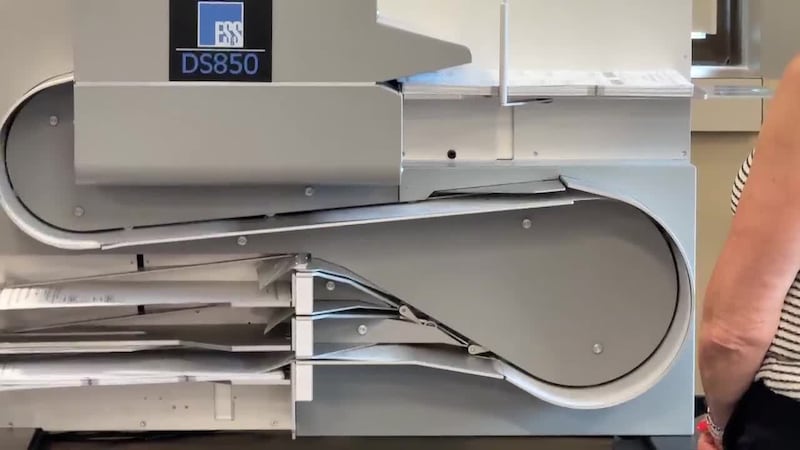
“Part of the process at the county level is canvassing the results, which includes a post-election review, where there are random precincts drawn, and they do a full count in view of everyone,” said Minnesota Secretary of State Steve Simon.
Counties are responsible for canvassing their election results after the election takes place. The process is meant to ensure all eligible ballots have been properly counted.
After counties have canvassed their results, the process continues at a state level.
“The state canvassing board, which is the sum total of all the counties’ canvassing, is going to be taking place on November 19,” said Simon.
After the state canvassing board meets, candidates may request a recount within two days. If a race falls within a half-percent margin, the recount will be funded by the state; if not, a candidate can choose to privately fund one.
Simon emphasized that the purpose of a recount isn’t to find mistakes, but rather discrepancies like improperly marked ballots. Those discrepancies are infrequent enough that they usually wouldn’t make a difference, but when a race is close, those votes are occasionally worth checking.
“For example, the machine might not have picked up on a particular vote because instead of darkening the oval or the square, the voter circled a name or drew an arrow to the name or something else that indicated they want to vote for that person,” said Simon, “and that’s up to those in the recount and the attorneys watching to determine what the voter intent is.”
In addition to the election certification process, candidates will use the next two months to prepare to take office.
For the state’s four legislative caucuses, that often means choosing leadership, assigning committee roles, and deciding on policy priorities.
“We know we begin on January 12th, and we’re going to come ready to do the work of the people of Minnesota,” said Senate Majority Leader Erin Murphy after being reelected to the position last week. “Part of that for us is getting to know each other. Part of that for us is completing our leadership structure.”
Other roles, like the Governor-elect, might employ transition teams to ensure they’re ready to hit the ground running.
In this year’s case, finding a replacement for Governor-elect Klobuchar’s soon-to-be-vacant Senate seat will be part of that equation. Depending on when Klobuchar vacates her seat, that appointment will be made by either herself or current Governor Tim Walz.
Regardless of who makes the appointment, it will be temporary. The state will hold an election in 2027 to determine who will fill the seat permanently.
Minnesota has never held a statewide election in a year that isn’t a midterm or presidential election year.
Copyright 2026 KTTC. All rights reserved.